
Dupe Culture, AI, and Why Your Brand Might Not Be As Safe As You Think
Let’s talk about something that’s been quietly (and not so quietly) blowing up in branding lately:
Dupe culture.
And no, this isn’t just a fashion girlie TikTok thing anymore.
It’s coming for your brand.
What is “Dupe Culture”?
Here’s the skinny:
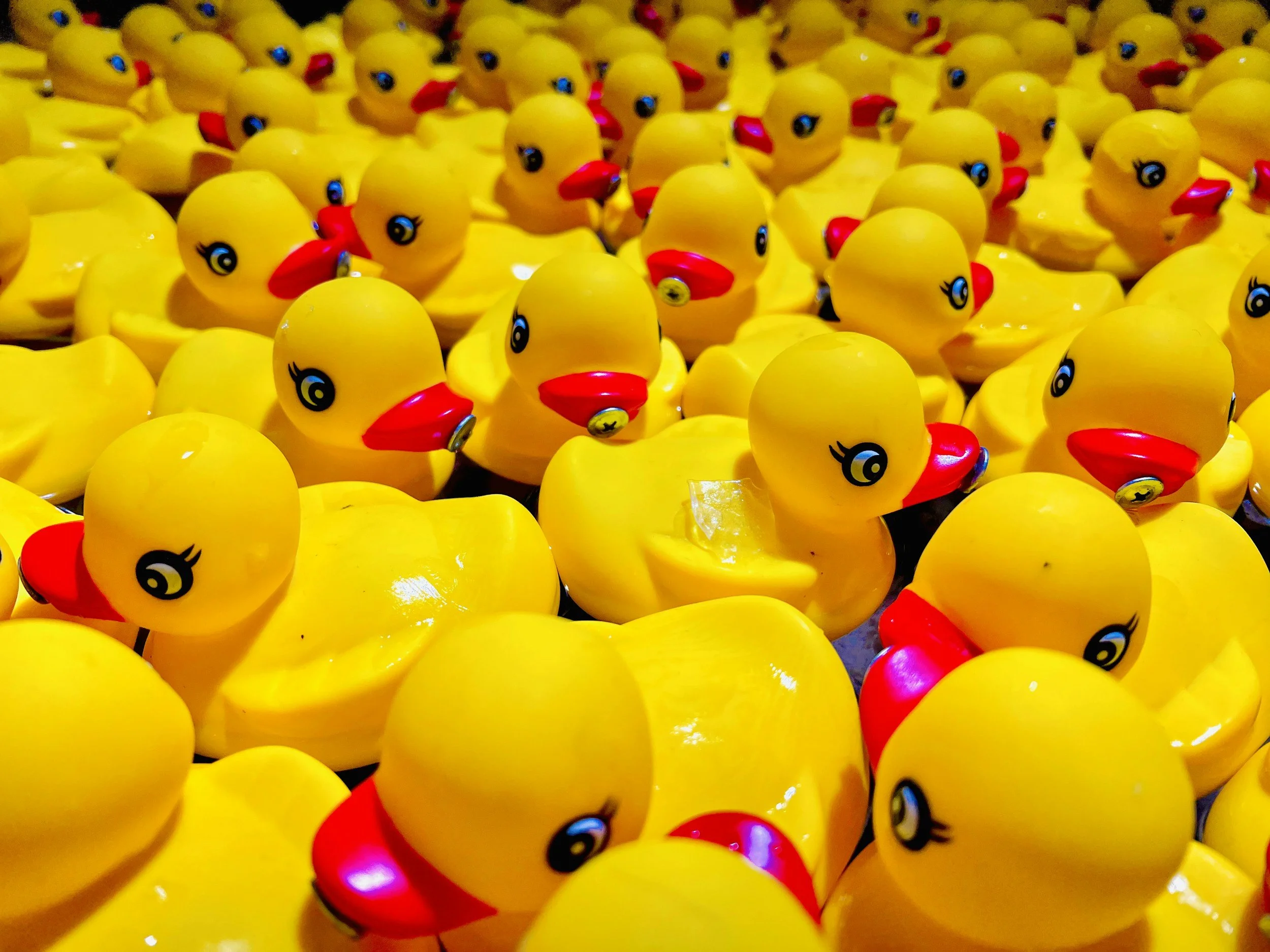
People (and companies) are intentionally creating lookalikes of successful brands. Not exact copies—just close enough.
Close enough to:
Trigger recognition
Borrow credibility
Confuse consumers (just a little)
And increasingly… it’s working.
This Isn’t Just Trendy—It’s Legal Territory
There’s been a noticeable rise in legal disputes around brand “look and feel”—not just logos, but packaging, color, layout, and overall visual identity. Recent cases show courts are paying more attention to trade dress—the total visual impression of a brand.
What this means:
Even if someone doesn’t copy your logo exactly, they can still get into trouble (or cause trouble for you) by copying your vibe.
Here’s the Problem
If your branding is:
Generic
Trend-heavy
AI-generated
Or not legally protected
You’re making it very easy to be duplicated AND harder to defend yourself if it happens.
Real-World Fallout is Already Happening
Feel free to peruse at your leisure:
Restaurant forced to change its AI logo after scathing backlash
The most controversial rebrands and logo redesigns of 2025
Branding in the age of dupe culture: Legal risks and trade dress enforcement in food and beverage
A restaurant had to scrap its AI-generated logo after public backlash and credibility issues
Major brands faced massive pushback over redesigns that missed the mark
Companies are actively suing over packaging and visual identity similarities
The takeaway?
People care.
Courts care.
Competitors definitely care.
Why This Matters for Small Businesses
You might be thinking:
“Okay, but I’m not Pepsi.”
True. But that actually makes this more important.
You don’t have:
A massive legal team
Brand recognition buffer
Millions to rebrand if something goes wrong
So your identity has to work harder—and be more defensible—from day one.
How to Protect Yourself (Without Becoming Paranoid)
1. Build a Distinct Identity (Not a Template)
If your logo looks like a Canva preset… it probably is.
And so is someone else’s.
2. Think Beyond the Logo
Your brand system matters:
Colors
Typography
Layout
Voice
That’s what makes you harder to copy.
3. Get Human Involvement
I’m not saying don’t use AI (!!!)
I am saying don’t let it do all the thinking.
Because the more generic your inputs → the more generic your outputs.
4. Protect What You Can
Trademark where appropriate.
Document your process.
Work with people who understand both design and legal implications.
(Hi, hello, that’s me :)
The Bigger Shift Happening Right Now
We’re all in this weird tension between:
Fast, cheap, AI-generated everything
And a growing demand for authenticity and craftsmanship
And interestingly… craftsmanship is starting to win again.
Brands that emphasize real design, real story, real intention are standing out more in an increasingly copy-paste world.
Final Thought
If your brand can be easily duplicated, it can be easily replaced. That’s the uncomfortable truth.
So the goal isn’t just to look good—it’s to be:
Recognizable
Defensible
Memorable
And just a little bit hard to copy.
Always be learning,
Amanda